
Is New Zealand Private Credit Holding up?
Three months ago, Peninsula Credit had just passed NZ$125 million in funds under management. By 30 September 2026 the Auckland based private credit fund manager had passed NZ$145 million, a rise of 14.9% in a single quarter, according to the firm's quarterly reporting. Around 68% of that capital is now committed to direct loans, up from 64% in June.
The timing is notable. Across the Tasman, it was a difficult quarter for private credit. The collapse of a large Sydney property developer in August froze redemptions at several funds, and by late September the regulator, ASIC, was signalling enforcement action. Investors were left asking what their money was lent against, and who stood behind the loan.
Peninsula Credit's answer is written into its mandate: senior secured lending to established, profitable New Zealand businesses, with no exposure to property development or start ups, the corner of the market at the centre of Australia's difficulties. At quarter end, all interest due across the Peninsula Credit portfolio had been received in full.
“Our discipline is simple. We lend to established New Zealand businesses we understand, we take senior security, and our own capital sits alongside our investors. That does not change when the headlines do.”
Andrew Pryde, Managing Director at Peninsula Credit
How Fast Is Peninsula Credit Growing?
The growth came through Peninsula Credit Fund II LP, an open ended New Zealand limited partnership established in July 2025, approved under the AIP visa Growth Category and open to wholesale investors only. Capital called from its investors rose by 24% in the quarter, a sign of growing interest in direct lending NZ from AIP visa applicants, their advisers and New Zealand wholesale investors. Peninsula Credit Fund I LP, the closed end fund established in September 2023 with nearly NZ$50 million of committed capital, is a step from full deployment, with its final loan expected in October.
Its founders, former ANZ Bank corporate lenders with more than 100 years of combined experience, lend their own money too. A multi million dollar management co investment, more than 10% of total committed capital, sits alongside investors.
Where Is The Capital Going?
In June, the firm reported three new loans committed and awaiting drawdown. In the September quarter, that capital went to work. An accredited healthcare laundry and a cross border ecommerce platform drew new funding, and capital flowed into the first stage of a sustainable energy project. A horticultural business, meanwhile, repaid its seasonal working capital from harvest receipts, exactly as designed.
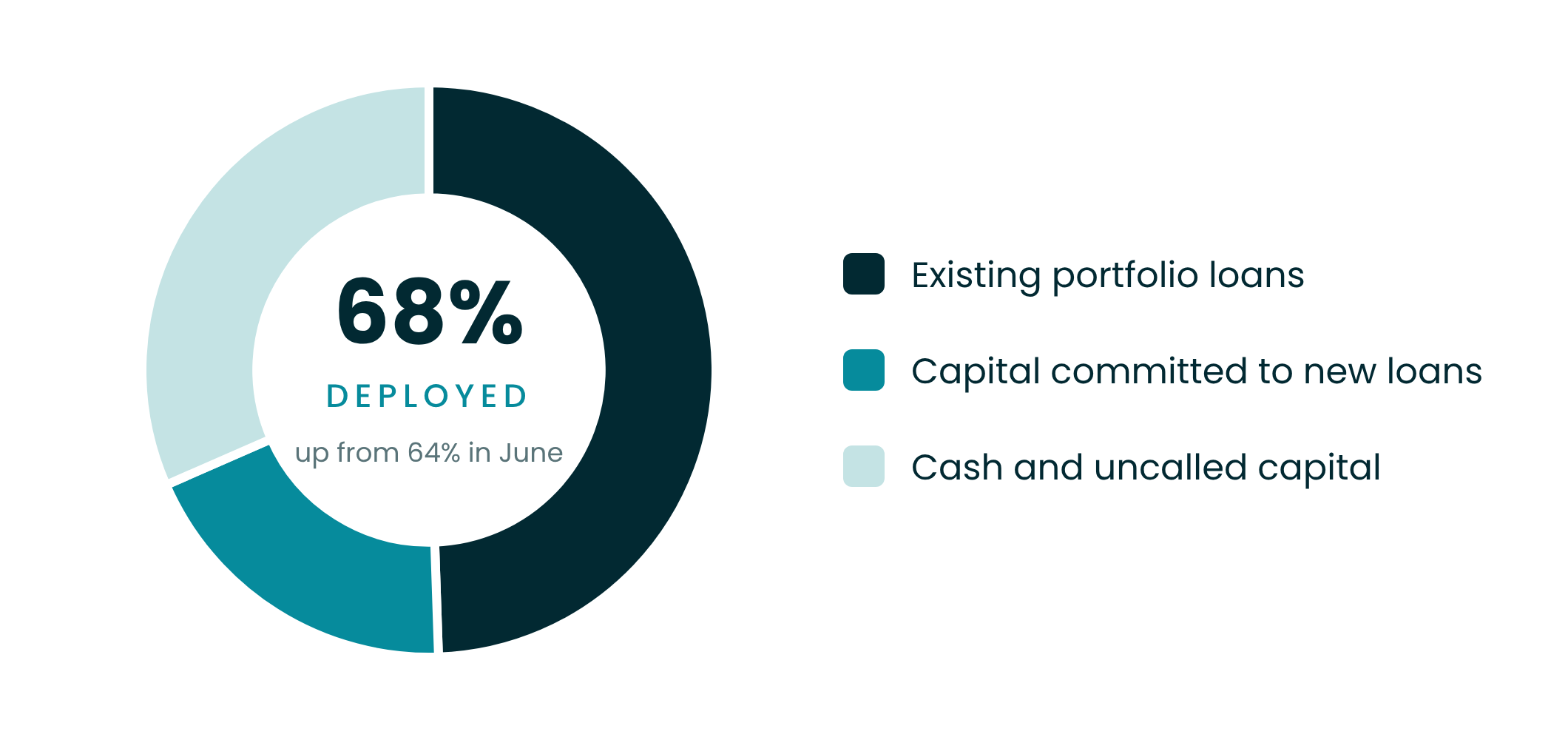
Figure 1. Fund Capital | September 2026, Fund I and Fund II combined
Source: Peninsula Credit Fund I and Fund II quarterly reports, 30 September 2026.
The loan book has broadened with it. To the six sectors reported in June, horticulture, viticulture, renewable energy, infrastructure services, ecommerce and facilities services, Peninsula Credit has added a seventh, retail, through a commitment to a well established global retailer. This is mid market lending spread across businesses that behave differently through the cycle.
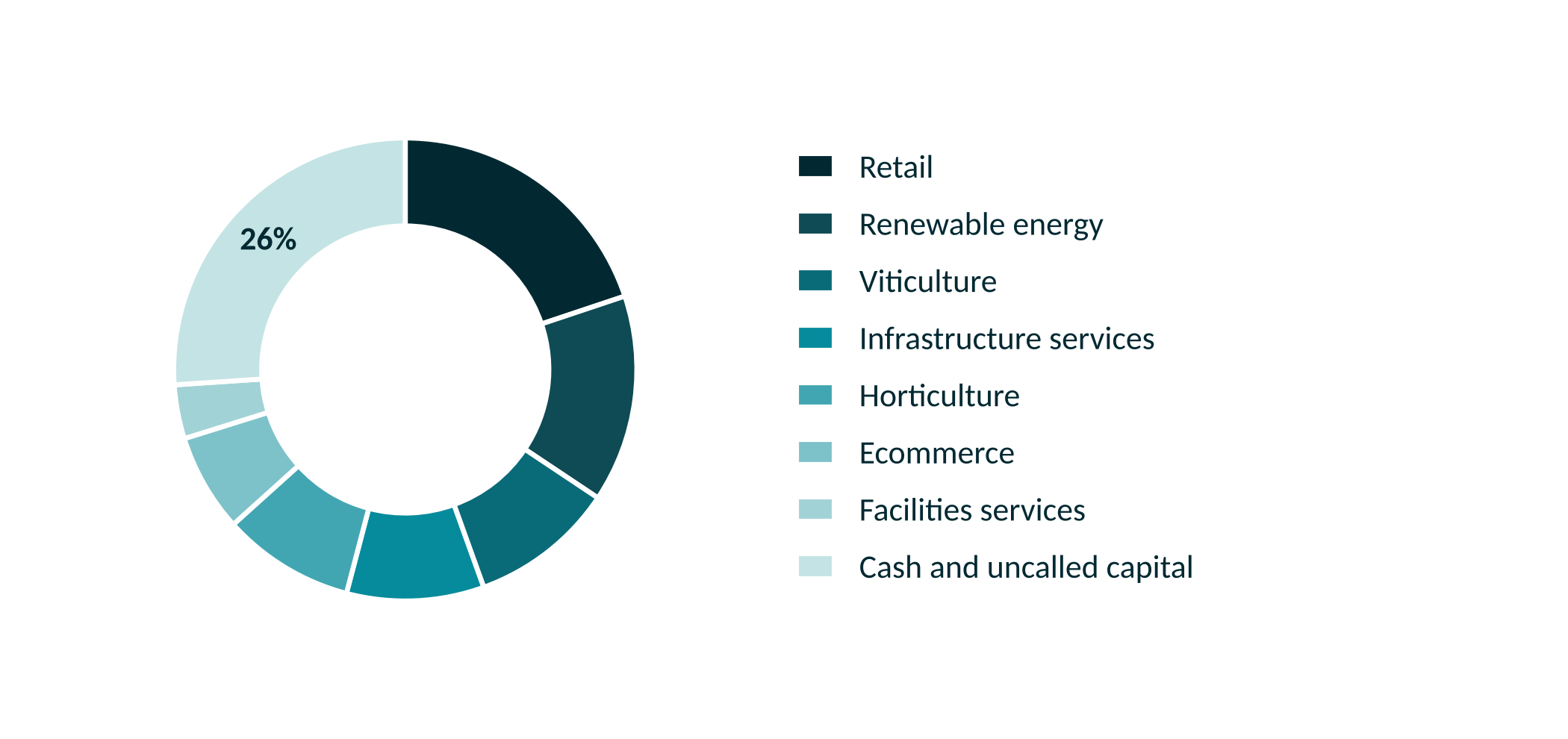
Figure 2. Fund Sector Exposure | September 2026, Fund I and Fund II combined
Source: Peninsula Credit Fund I and Fund II quarterly reports, 30 September 2026.
What Are Investors Earning?
The engine of the business is margin. With the 90 day BKBM at 3.23% on 30 September 2026, the target return of BKBM plus 3.50% equates to 6.73% a year. Average portfolio margins rose in both funds during the quarter and now sit at around 7% over BKBM, roughly double the target margin. Fund I is distributing ahead of target, and in Fund II that margin flows to investors as capital moves from cash into loans. Distributions are paid in cash before 31 October 2026.
“Floating rate senior secured lending is built for a cycle like this. When rates rise, our investors' income rises with them, and the protection of senior security stays exactly where it was.”
Andrew Pryde, Managing Director at Peninsula Credit
How Are New Zealand Businesses Faring?
In June, most commentary expected inflation to ease. Instead, annual inflation rose to 4.1% and the Reserve Bank lifted the Official Cash Rate for a second consecutive time, to 2.75%. The Bank described a two speed recovery: exporters gained from a weaker New Zealand dollar, while household spending stayed subdued and higher fuel prices weighed on transport, retail and accommodation.
Peninsula Credit's book leans towards businesses that earn export income or provide services customers have a need for, from fruit and wine to hospital services and on farm solar.
What Comes Next For Private Credit New Zealand?
The December quarter starts with momentum. The retail commitment is expected to settle over October and November, the second stage of the sustainable energy project is due to follow, and a further opportunity is in advanced diligence for December.
“The banks are finding established New Zealand businesses harder to serve. We back them with the rigour we would want applied to our own money, because it is our own money.”
Andrew Pryde, Managing Director at Peninsula Credit
For well run businesses seeking NZ$2 million to NZ$30 million, and for investors watching Australia, Peninsula Credit's September quarter offers a reassuring picture: steady growth, built one considered loan at a time.
Peninsula Credit Fund II LP is open to wholesale investors as defined under New Zealand's Financial Markets Conduct Act 2013, including applicants under the Active Investor Plus (AIP) visa Growth Category. Past performance is not a reliable indicator of future performance. This article does not constitute financial, investment, legal, tax or immigration advice. Prospective investors and borrowers should seek independent professional advice. Further information is available at peninsulacredit.co.nz.